American Red Cross BLS CPR & AED Classes with Infant CPR in Washington DC, DC
$79.95
When caring for infants and young children, knowing Infant CPR can help you respond confidently during unexpected emergencies. CPR Washington DC offers hands-on training that includes Red Cross BLS principles, infant CPR techniques, and AED awareness for parents, family members, childcare providers, and healthcare professionals.
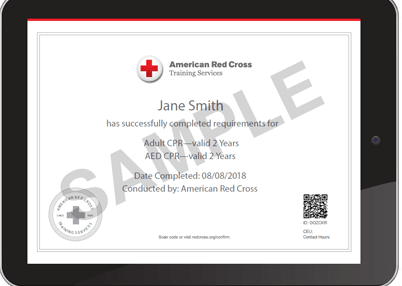
*This is a blended learning course. Please bring a copy of your online course completion certificate to class.
#1 for Washington DC Infant CPR Classes
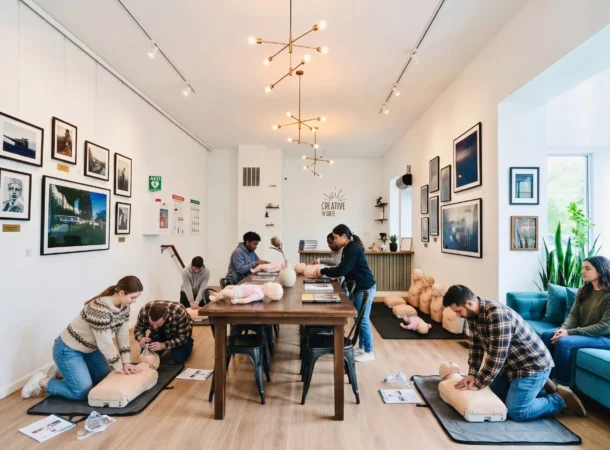
Preparing for emergencies involving infants and children starts with quality Infant CPR training. CPR Washington DC provides hands-on instruction covering Red Cross BLS concepts, infant CPR techniques, and AED awareness so you can respond quickly and confidently when unexpected situations occur.
Your Infant CPR course also includes CPR instruction for children and adults at no additional cost. We want every student to finish training with the confidence to recognize emergencies, provide lifesaving care, and support someone until emergency medical personnel arrive.
Our CPR Training Includes
- Same Day CPR + First Aid Cards
- Hands on Chest Compression Training
- Rescue Breath Training
- AED Usage for Infant, Child, and Adults
- Friendly and Relaxed Environment
- Professional Instructors
CPR Washington DC
1822 North Capitol St NW , Washington, District of Columbia 20002

Schedule Your Class Now
Washington DC’s Best Infant CPR Classes
Infant CPR training helps you develop the skills to respond effectively when a baby or young child experiences a medical emergency. During class, you’ll learn how to identify breathing emergencies, respond to choking, recognize when an infant is unresponsive, and apply Red Cross BLS, CPR, and AED techniques based on the age of the person needing care.
Through instructor-led practice, you’ll build the confidence to provide emergency assistance for infants, children, and adults when every moment counts.
Understanding why Infant CPR matters begins with recognizing common emergency situations:
- Thousands of children experience cardiac emergencies every year.
- Infants are particularly vulnerable to breathing emergencies, including suffocation and sleep-related incidents.
- Many pediatric cardiac emergencies begin with respiratory distress or blocked airways.
CPR training can also help during emergencies involving near-drowning, head injuries, smoke inhalation, poisoning, and electrical accidents.
What is CPR?
Cardiopulmonary Resuscitation (CPR) is a lifesaving technique that combines chest compressions with rescue breathing to help maintain blood circulation and oxygen flow when someone has stopped breathing or is experiencing cardiac arrest. Infant CPR should only be performed on babies who are unresponsive and not breathing normally.
What to Expect in Your CPR Classes
Completing your CPR certification helps satisfy workplace requirements while teaching practical emergency response skills. Throughout your class, you’ll learn how to:
- Perform CPR correctly
- Assess breathing and circulation
- Provide chest compressions for infants, children, and adults
- Deliver effective rescue breaths
Our certification is recognized by employers and organizations including:
- Daycare centers and childcare providers
- Nursery caregivers and early childhood staff
- Nurses, RNs, and CNAs
- Schools and educational institutions
- Home healthcare agencies
- Nursing and healthcare training programs
- Community and nonprofit organizations
- Fitness centers and personal trainers
- Hospitality businesses
- Construction companies
- Hospitals, EMS providers, and public safety agencies
Why Train With Us?
- Experienced Red Cross instructors providing hands-on training.
- Smaller class sizes that promote individualized learning.
- Nationally recognized Red Cross CPR certification.
- Flexible scheduling for individuals and groups.
- Certification documentation issued after successful course completion.
FAQS
How do I complete the CPR certification course?
Register for the class that fits your schedule and attend your instructor-led session. Training includes classroom instruction, practical exercises, skills evaluations, and certification assessments.
Choose a provider that includes in-person instruction and hands-on skills testing.
When can I take my CPR certification course?
Classes are offered throughout the week with flexible scheduling options.
When will my CPR certification expire?
Most CPR certification and Red Cross BLS certification credentials remain valid for two years. CPR renewal helps keep your certification active and your skills current.